
Pay Monthly Websites: What They Cost and Who Owns the Site When You Stop Paying
Pay monthly websites cost £25 to £300 a month in the UK. I read six providers' terms to see what you own when you stop paying, and what to ask first.

A pay monthly website costs £25 to £300 a month in the UK. On 19 October 2026 the cheapest plans on providers’ own pages started at £25, and the bigger ones, with more pages and some SEO, ran up to £300.
The monthly price is the least important number on the page. What decides whether a pay monthly website is a good deal is what you own the day you stop paying, and on that, the providers ranking for this search give three completely different answers.
I read the pricing, FAQ and cancellation wording of six UK providers to find out. This guide sets their terms side by side, works out what two years actually costs, and lists the questions to ask before you sign anything.
Where I stand. I sell a pay monthly website myself: £199 a month plus VAT with the build included, and I say exactly what that buys near the end. That makes me a competitor of everyone in this guide, so every claim about them below quotes their own pages, checked on 19 October 2026. None of them has seen this or paid to be in it.
What Is a Pay Monthly Website?
A pay monthly website is one you pay for with a fixed monthly fee instead of a large upfront bill. The fee usually covers the design and build, hosting, security and small updates.
Some providers spread the cost of building it over a fixed term. Others rent you a site for as long as you keep paying. The phrase covers both, and that difference is what this guide is about.
What Pay Monthly Websites Cost in the UK
Here is what six providers published on their own sites on 19 October 2026, plus mine for comparison.
| Provider | Monthly price | Upfront | Minimum term and notice | Who owns the site |
|---|---|---|---|---|
| Lollipop Rocks | From £25 | None | No minimum, 30 days’ notice | They do. Sites “cannot be transferred” and are archived if you cancel |
| Yopp | From £25 plus VAT; plans at £40, £65, £150, £300 plus VAT | None | No contract, 4 weeks’ notice | You do: “you always own the website” |
| Inventis | From £29 | No large upfront cost | 12-month agreement | You, once the 12 months are complete |
| Ubie | £39, £69 or £89 | First month before work starts | 12 months, then 30 days’ notice | You, once the first 12 months are paid |
| Pixelish | £144 to £274 including care, for a brochure site | None | 30 days’ notice | You, once the build is paid off |
| Local Ladder | £199 plus VAT | None | 3 months, then 30 days’ notice | You, from the day it goes live |
Where a provider states VAT, I have shown it. Where a page does not mention VAT, the price is as published.
The cheap plans are for a small website and not much else. Lollipop Rocks’ £25 buys a one-page site. Yopp’s plans add pages, business email and, from £65, some SEO and “targeted locations”.
The Three Ways Pay Monthly Websites Work
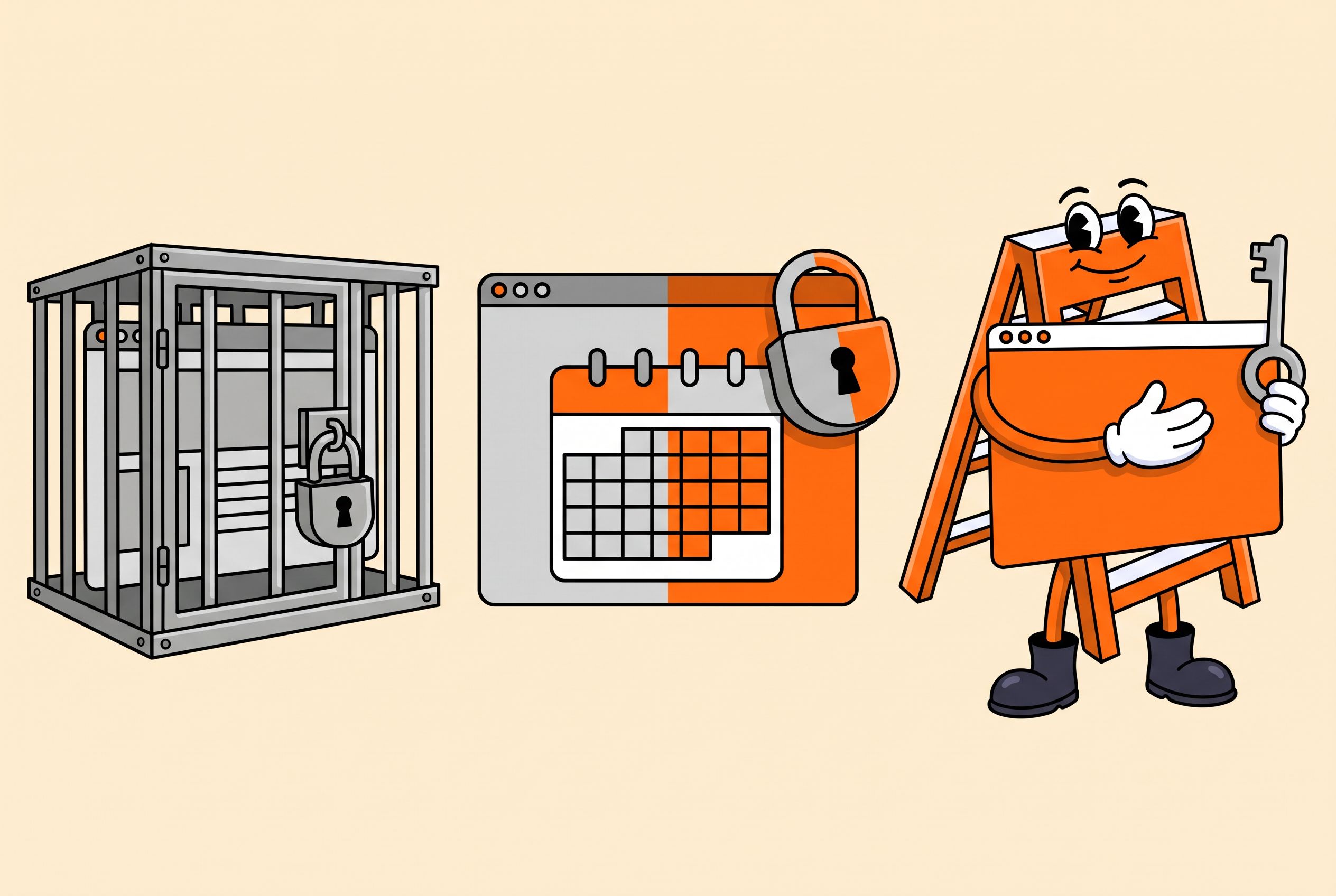
Read the cancellation section of any provider and it falls into one of three camps.
Rented: the site stays with them
Lollipop Rocks is the clearest example, and it is upfront about it. Its FAQ says: “As all of our websites are built and hosted as part of our monthly plans, and cannot be transferred, if you decide to cancel then your website will be archived.”
If the domain came with the plan, “we will retain ownership until the lease expires”, and its terms put the transfer at a £25 administration fee. You do get back the images and copy you supplied.
That is a fair deal at £25 a month, as long as you know it is rent. Two years in, you have paid £600 and own the photos you sent them.
Yours once the term or build is paid
Inventis and Ubie both run a 12-month first term. Inventis says that once it is complete “the website is 100% yours”, and Ubie that “the design, content and files are yours” after the first 12 months are paid, then month to month with 30 days’ notice.
Pixelish publishes the most detailed version. A brochure site costs £2,500 paid upfront, or £3,000 spread over 24 months, which it shows as £174 a month including its care plan. Leave early and you choose: “Pay the outstanding build portion and everything transfers to you”, or walk away and the website comes offline. Its worked example is leaving after 12 payments and paying 12 × £125 = £1,500 to keep the site.
Spreading a build this way costs more than paying upfront, £500 more in Pixelish’s 24-month example. Pixelish says so plainly on the page, which is more than most do.
Yours from the start
Yopp says “you always own the website, the files and all the images”, with no contract and four weeks’ notice. It also sells the site outright for £495 plus VAT if you would rather not pay monthly.
My own plan sits here too: you own the site, the domain and the content from the day it goes live, and if you stop paying I hand over everything needed to move it.
What Two Years Actually Costs
The monthly figure hides the total. Here is 24 months on one published plan from each, before VAT, and what you hold at the end.
| Provider and plan | 24 months | What you own at month 24 |
|---|---|---|
| Lollipop Rocks, one page | £600 | Your own images and copy. The site is archived if you leave; the domain costs £25 to transfer if it came with the plan |
| Ubie, £39 plan | £936 | The site, since month 12 |
| Yopp, Premium at £40 | £960 plus VAT | The site, throughout |
| Pixelish, brochure site over 24 months | £4,176 including care | The site, from month 24 |
| Local Ladder | £4,776 plus VAT | The site and domain, from launch, plus 24 months of local SEO and Google profile work |
The bottom two are not the same purchase as the top three. A £25 one-page site and a plan that builds a page for every service and town you cover, then works on your Google profile every month, should cost different amounts.
What the table shows is that two years of cheap rent can leave you with nothing to take with you, while a slightly dearer plan leaves you with a website.
The Traps That Cost a Tradesperson Most
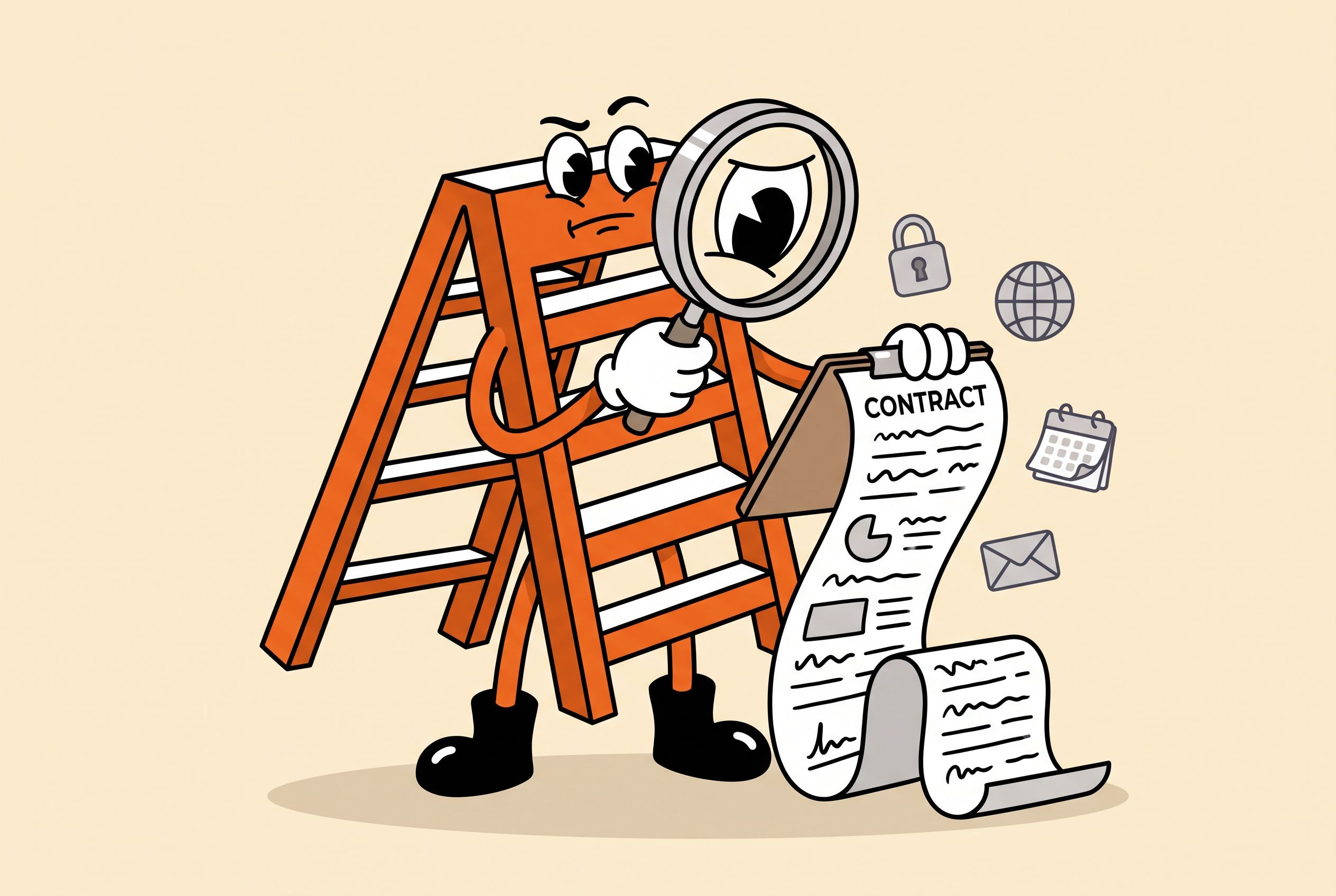
For a trade business, losing the website is not the worst outcome. These three hurt more, and none of them shows up in the monthly price.
The domain on your van. Your web address is painted on the van, printed on the cards and listed on every directory. If the provider registered it in their name, leaving means asking for it back, sometimes for a fee, sometimes after the lease runs out. Repainting a van costs far more than any transfer fee. Get the domain in your own name from day one, whoever builds the site. On my plan, you buy it yourself for roughly £12 a year.
The email address that goes with it. If the domain goes, so does [email protected], along with every supplier, customer and accountant who has it.
Your Google Business Profile. Some providers set your profile up under their own Google account. Your reviews then sit in a profile somebody else is the primary owner of. Check in your profile’s settings who the owners are, and make sure the primary owner is you.
There is a fourth, more common with lead generation companies than web designers: a tracking phone number on your site that belongs to the provider. When you leave, the number goes, and with it every old enquiry that tries to ring you. I cover that one in my guide to plumbing leads in the UK.
Seven Questions to Ask Before You Sign
Send these by email and keep the replies. A provider that answers all seven plainly is one worth talking to.
- Whose name is the domain registered in? Ask for a screenshot of the registrar account.
- What happens to the website on the day I stop paying? Archived, handed over, or offline until I pay something?
- Is there a buy-out or transfer fee, and where is it written down?
- What is the minimum term, and how much notice do I give?
- Can the monthly price go up during the contract?
- Who will be the primary owner of my Google Business Profile?
- What does the plan include that helps the site rank in my area? For trades that means a page per service, a page per town, and work on the Google profile.
The last question is where most cheap plans fall down for a tradesperson. A one-page site will look tidy and rank for very little, and a trade website earns its keep from searches like “boiler repair [your town]”. My guide to what a plumber website should cost goes into what that structure involves.
When a Pay Monthly Website Is the Wrong Choice
If you have the cash, buying outright usually costs less over a few years. Yopp’s £495 plus VAT for a site it would otherwise rent you from £25 a month is the clearest example in this guide.
If you are in your first year, with few reviews and no clear idea yet which jobs you want more of, a website builder you set up yourself is proportionate. Wix starts at £9 a month and Squarespace at £12, billed yearly. I compared them against my own service in Local Ladder vs website builders, including the ones you cannot move away from.
And if a provider will not tell you in writing who owns the site and the domain, walk away, whatever the monthly price.
Where Local Ladder Fits
My plan is £199 a month plus VAT with no build fee. That covers a custom website built around the jobs you want more of, with a page for each service and each town you cover, plus local SEO, Google Business Profile management and hosting.
There is a three month minimum because the build sits inside the monthly price, then it rolls monthly with 30 days’ notice. You own the site, the domain and the content from the day it goes live. If you are not happy with the website within 30 days of paying your first invoice, you get a full refund.
It is not the cheapest pay monthly website in this guide and it is not meant to be. It is built for tradespeople who want the site to bring in work, and the full breakdown is on my pricing page.
If you are not sure what you need yet, start with where you stand. I audit trade businesses’ local visibility for free: a grid showing where you rank across your area, who is above you, and the three changes worth making first. No obligation, and you keep it either way. See where you rank and I’ll run yours.
Frequently Asked Questions
How much does a pay monthly website cost in the UK?
Between £25 and £300 a month on the providers I checked on 19 October 2026. Entry plans start at £25 (Lollipop Rocks, and Yopp at £25 plus VAT), £29 (Inventis) and £39 (Ubie). Bigger plans with more pages and SEO run £65 to £300 a month. Plans that spread a bespoke build, such as Pixelish's, work out at £144 to £274 a month including hosting and care.
Do you own a pay monthly website?
It depends entirely on the provider. Some rent it to you: Lollipop Rocks says its sites cannot be transferred and are archived if you cancel. Some hand it over after a term: Inventis and Ubie after 12 months, Pixelish once the build is paid off. Some say you own it throughout, such as Yopp. Read the cancellation section before the price.
Can I cancel a pay monthly website?
Usually, with notice. The providers I checked ask for 30 days or four weeks, and some add a 12-month minimum term first. What cancelling costs you is the real question: on a rented plan you lose the site, and on a plan where the build is spread you either pay the outstanding build or the site goes offline.
What happens to my domain name if I cancel a pay monthly website?
If it is registered in your name, nothing: you point it at your new website. If the provider registered it in theirs, you need them to transfer it, sometimes for a fee. Lollipop Rocks keeps a plan-included domain until the lease expires and charges £25 to transfer it. Ask whose name it is in before you sign.
Are pay monthly websites worth it for tradespeople?
They can be, if you own the site and the domain, the minimum term is short, and the plan includes what a trade site needs to rank: a page per service and per area, fast loading on a phone, and someone looking after your Google Business Profile. A cheap rented site with none of that is a monthly bill for a business card.
Is a pay monthly website better than Wix?
It is a different purchase. Wix starts at £9 a month billed yearly and you build the site yourself. A pay monthly website is built and looked after for you. If you have the evenings and need a simple page, Wix is cheaper. If you would rather someone else built it, check you own the result before comparing prices.
See Where You Rank Before You Spend Anything
A free grid of where you rank across your area, who's above you, and the three changes I'd make first. Sent the same working day.
Show Me Where I Rank